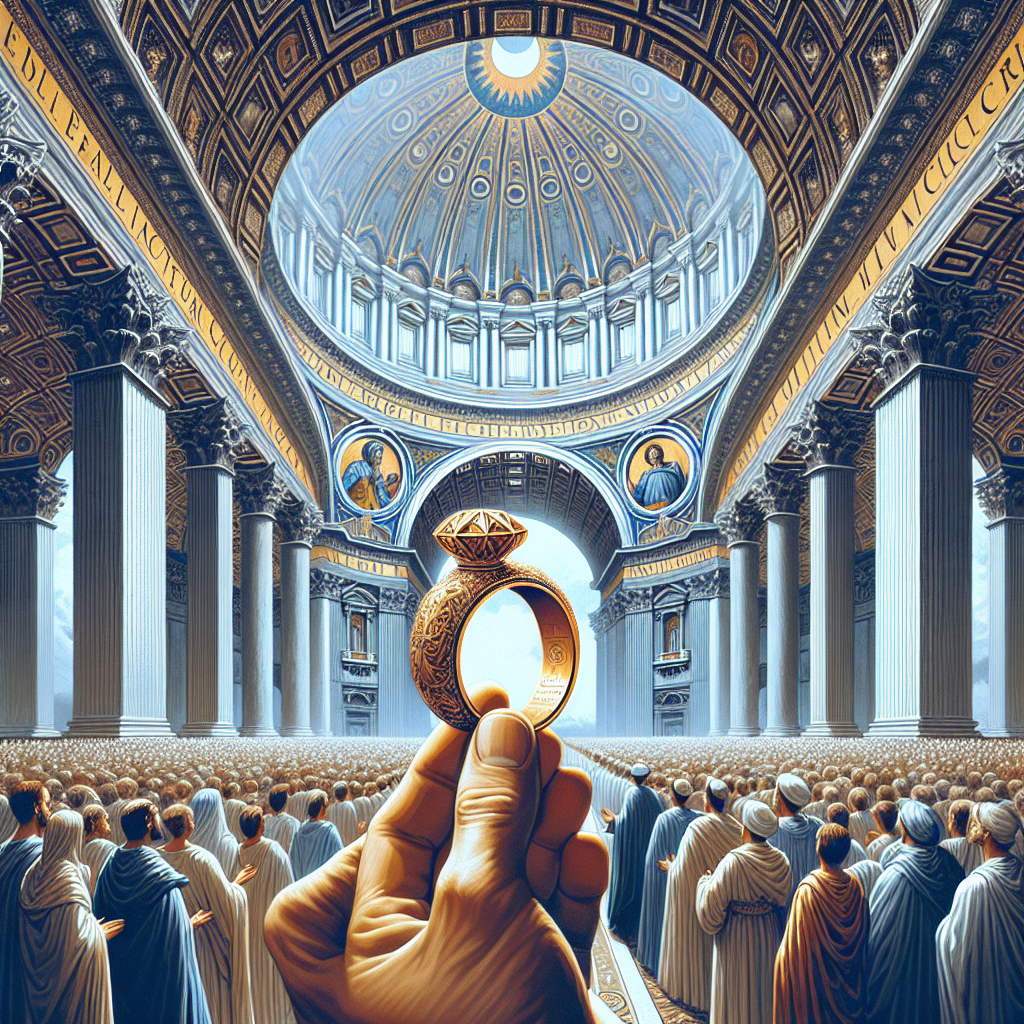





Introduction to the Fisherman's Ring: A Legacy of Papal Tradition
The Vatican, a symbol of religious significance and historical intrigue, has been the center of numerous rituals and traditions. Among these traditions is the "Fisherman's Ring," a significant symbol of the papal office. Recently, Live Sicilia reported that this iconic ring was annulled, capturing the attention of many. For those unfamiliar with the Vatican's customs, the Fisherman's Ring is more than just an accessory; it represents centuries of Catholic history and the enduring authority of the Pope.
Given the global interest in Vatican affairs, this recent development invites a closer look at its implications and the tradition behind the ring itself. But why is the act of annulling the Fisherman's Ring significant, and what cultural context should global readers appreciate?
The Fisherman's Ring: Historical and Cultural Context
The Fisherman’s Ring is traditionally worn by the Pope and engraved with the image of Saint Peter, the first Pope, who was a fisherman by trade. This ring serves not only as an emblem of the Pope's pastoral duty and succession from Saint Peter but also as a seal for important documents issued by the Vatican. Historically, upon the death or resignation of a Pope, the ring is ceremonially destroyed, symbolizing the end of his papal reign and preventing the misuse of the authentication seal.
This ceremonial destruction, or annulment, is steeped in tradition. It symbolizes continuity and change, an acknowledgment of ecclesiastical history while paving the way for new leadership. The meticulous ritual surrounding the ring exemplifies the Catholic Church’s deep respect for tradition and its careful balance between honoring the past and embracing the future.
Why the Recent Annulment Matters
This annulment reported by Live Sicilia signals the conclusion of the current papal tenure, either due to resignation or demise—a fact that usually shakes the religious world and prompts the election of a new Pope. The event has unlocked discussions around the processes that govern the Vatican’s operations and the implicit messages such acts send to millions of Catholics worldwide.
Global readers, many of whom might not be as familiar with these ecclesiastic traditions, can find parallels in other cultural end-of-era symbols, like the transition ceremonies in monarchical systems or governmental inaugurations. Such symbols collectively emphasize the universally understood themes of continuity and renewal.
Implications and Future Perspectives
What lies ahead for the Vatican in the wake of the Fisherman’s Ring annulment? Historically, such annulments lead to the calling of a conclave where the College of Cardinals gathers to elect a new Pope. This period is not only significant for the religious community but also watched closely by political leaders and scholars worldwide, given the Pope's influential role in global matters, including diplomacy, interfaith dialogue, and social issues.
The annulment can also serve as a moment of reflection on the current state of the Catholic Church and its future direction. The choice of the new Pope often mirrors the Church’s priorities, addressing contemporary challenges like modernization, global outreach, and internal reforms.
- Global Impact: The new leadership will affect global Catholic communities, influence international relations, and potentially set new priorities for the Church’s engagement with social and moral issues.
- Cultural and Religious Dialogues: As a religious and cultural leader, the Pope’s stance and actions on interfaith relationships and global peace initiatives will be scrutinized.
- Continuity Vs. Change: The annulment underscores this timeless theme within the Catholic tradition, resonating with audiences beyond religious boundaries.
As the world anticipates the election of the next Pope, the significance of the annulment extends beyond the ceremonial to reflect the intricate tapestry of tradition, faith, and global relevance. For those attuned to international affairs and cultural heritage, this development offers an insightful peek into one of the oldest institutions still influencing the modern world.